A house extension is one of the most effective ways to increase space, improve comfort and add significant value to your home — but understanding the cost can be overwhelming. With material prices fluctuating and every project having its own complexities, homeowners often struggle to find accurate information.
This guide breaks down the real factors that influence extension costs in 2025 and explains how to budget realistically.
What Determines the Cost of an Extension?
1. Type of Extension
Different designs require varying levels of labour, materials and structural work.
- Single-storey rear extension
- Double-storey extension
- Side or wrap-around extension
- Kitchen extension with structural alterations
Kitchen extensions typically cost more due to plumbing, electrics and fittings.
2. Size and Layout
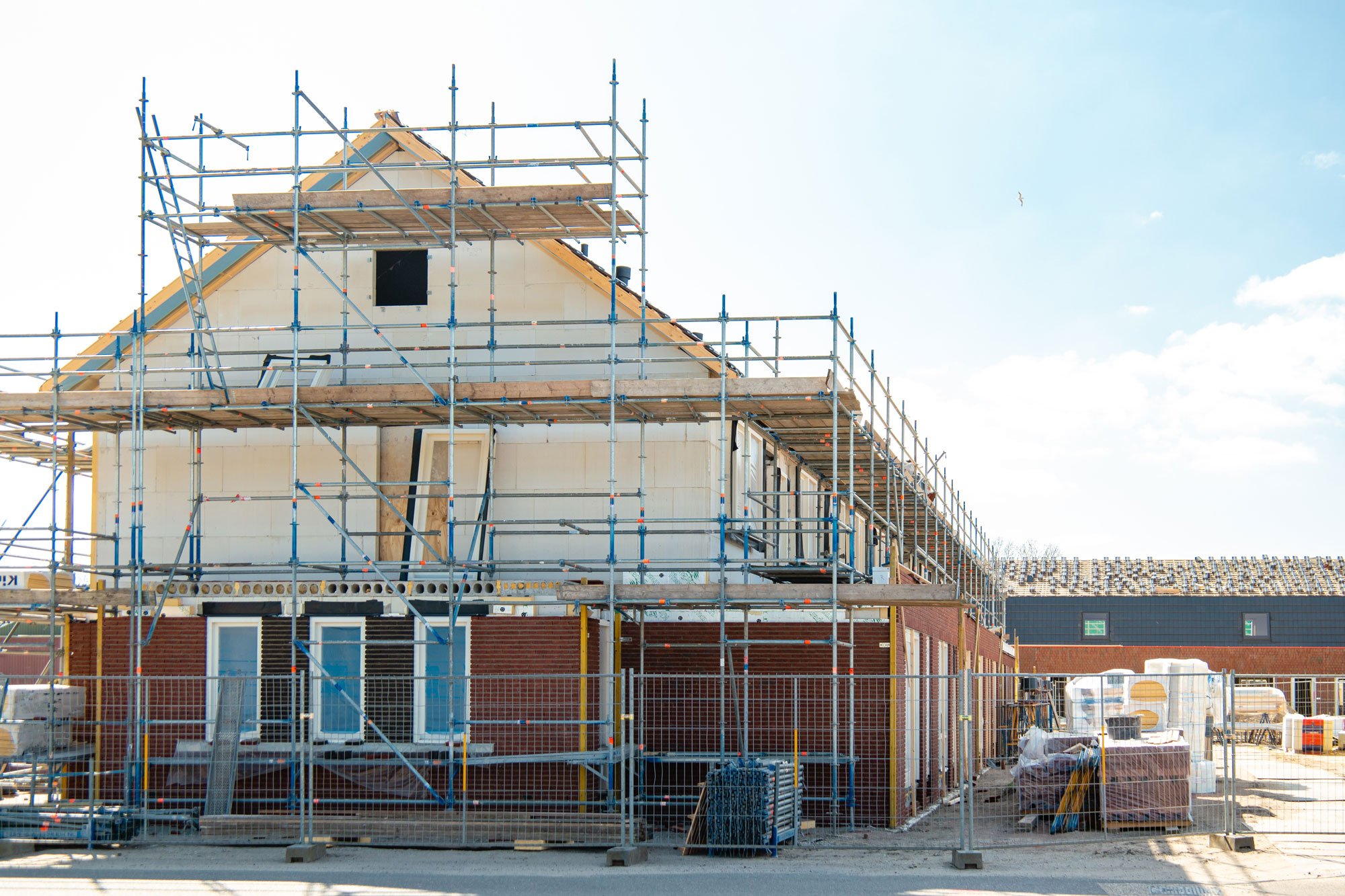
The larger the footprint, the higher the cost — not just in materials, but in structural support, roofing and finishing.
3. Level of Finish
Homeowners can choose:
- Basic – simple finishes, cost-effective fittings
- Standard – quality materials and contemporary finishes
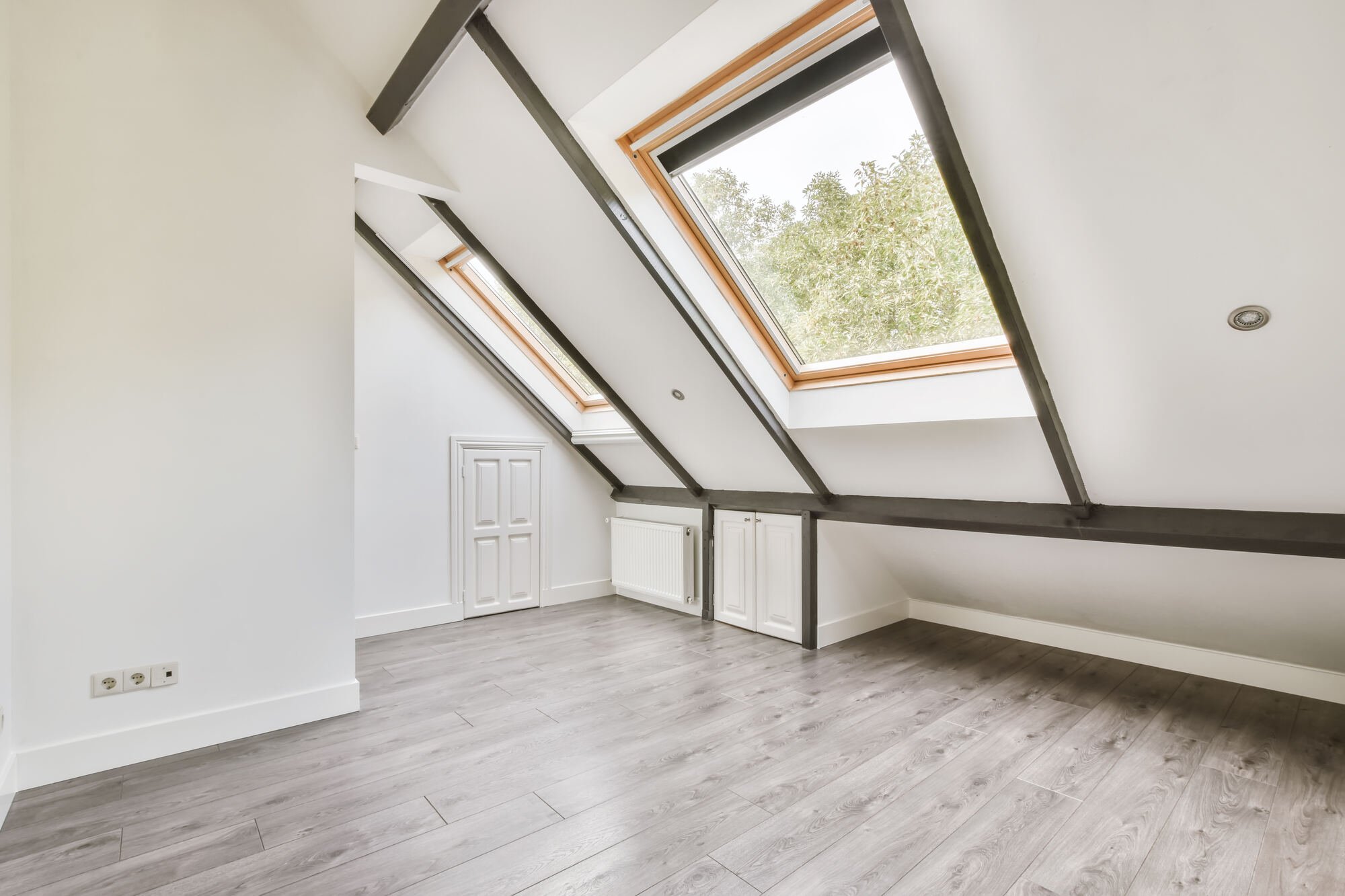
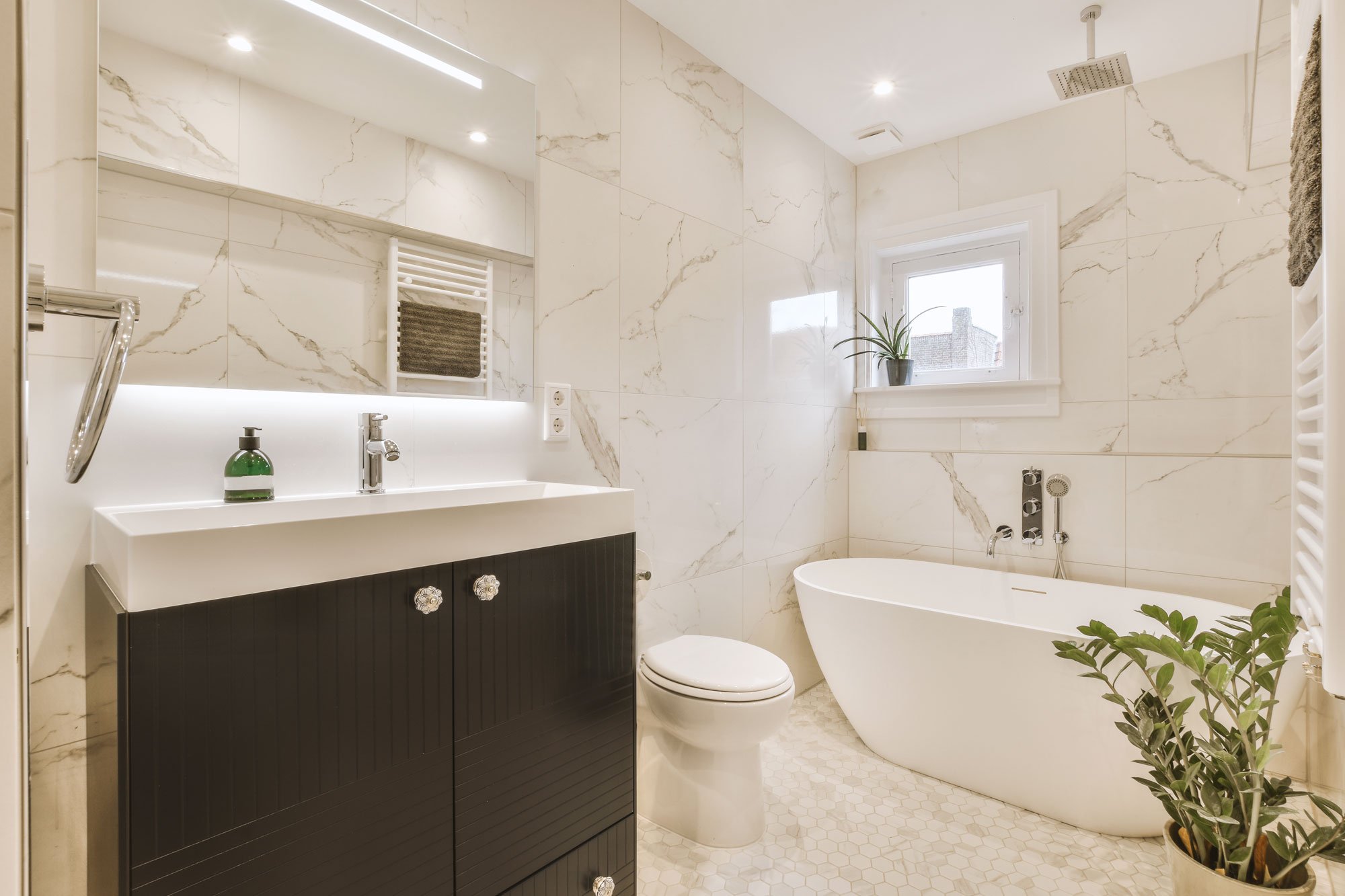
- Premium – bespoke joinery, high-end tiles, skylights, luxury worktops
4. Structural Requirements
Structural openings, RSJs, removing load-bearing walls and adding steelwork can significantly affect the budget.
5. Planning and Professional Fees
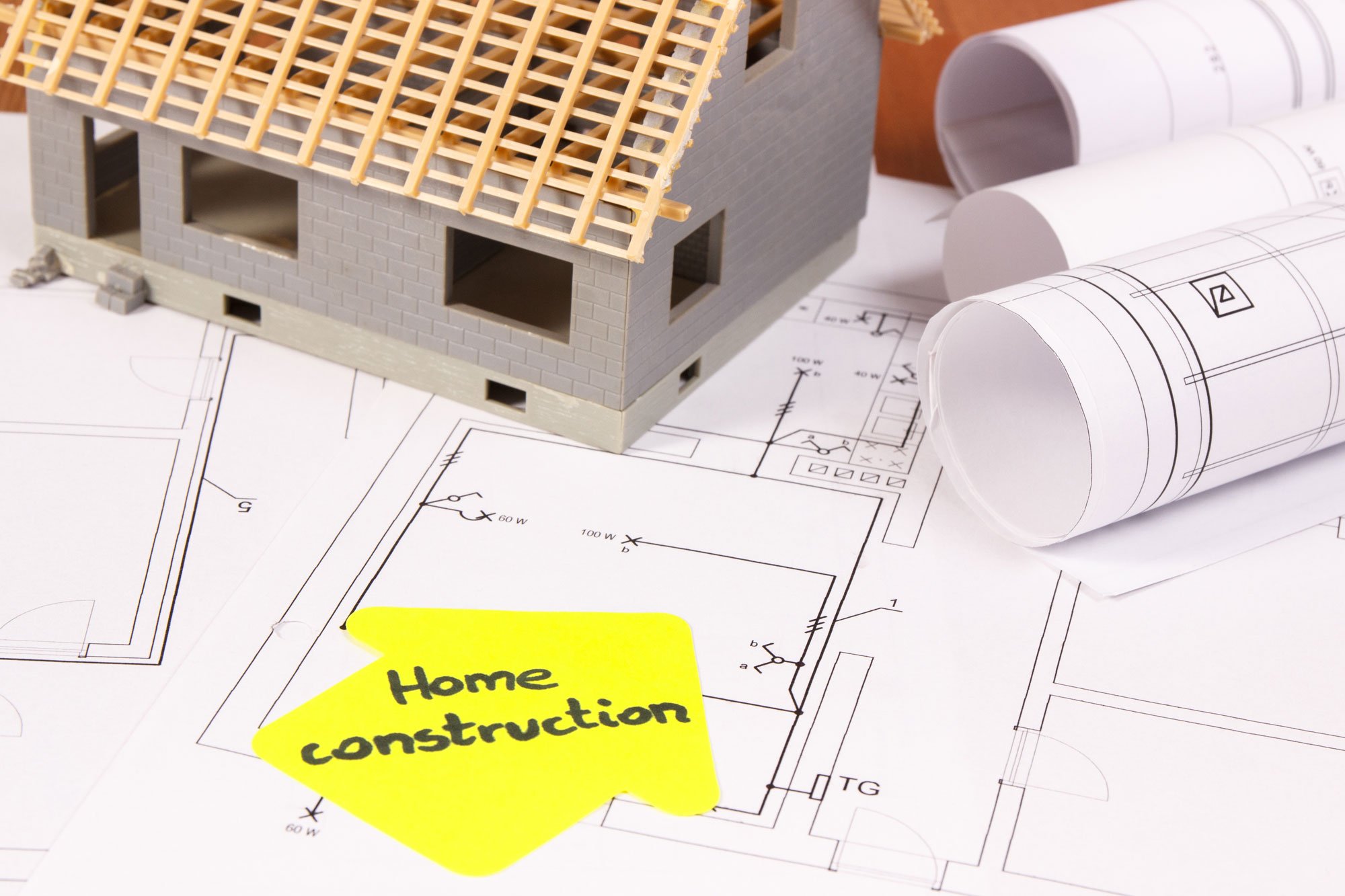
Architectural drawings, structural calculations and building control fees must be included in your budget.
2025 Price Estimates
Note: Based on Hertfordshire, Essex and South East England averages.
- Single-storey extension: £1,900 – £2,600 per m²
- Double-storey extension: £2,400 – £3,000 per m²
- Kitchen extension with steelwork: £50,000 – £90,000+
- Wrap-around extension: £70,000 – £120,000+
Why Your Extension Should Start With Proper Planning
Accurate drawings, clear specifications and structural calculations reduce unexpected costs and delays. At Select Casa, we create transparent, fully itemised quotations so homeowners understand the full financial picture before committing.
Final Thoughts
Extensions remain one of the most cost-effective ways to increase comfort, improve flow and boost property value. With strategic planning, proper design and a clearly managed process, your investment can transform the way you live.